


Renewable Energy Options for Home: Your Path to Energy Independence
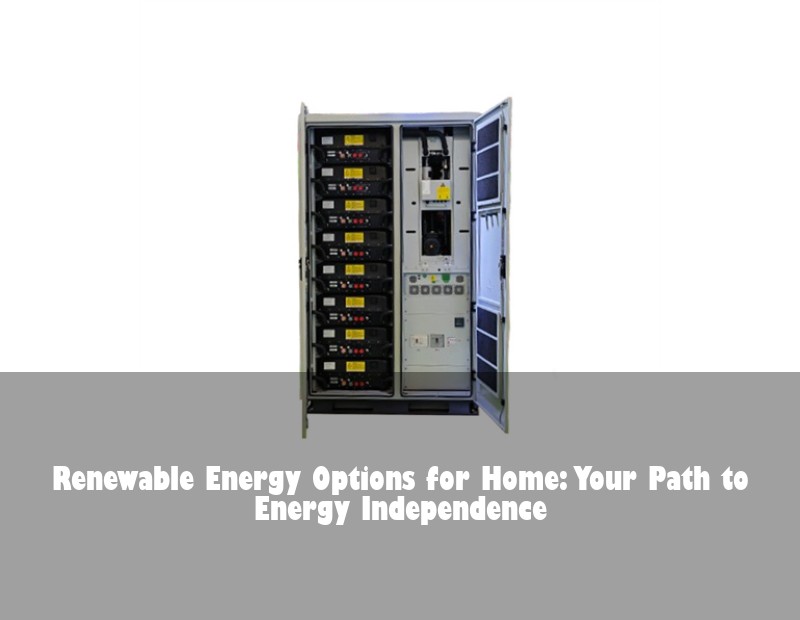
Table of Contents
- The Rising Demand for Home Energy Independence
- Understanding Solar Power: The Heart of Home Renewable Systems
- Energy Storage: Your Key to Uninterrupted Power
- Real-Life Success: A German Family's Journey to Energy Freedom
- Making the Switch: How to Get Started with Renewable Energy at Home
The Rising Demand for Home Energy Independence
Have you noticed your electricity bills climbing while worrying about grid reliability? Across Europe, households face an energy dilemma: rising costs meet growing environmental awareness. In 2023 alone, EU residential electricity prices surged by 25% compared to pre-pandemic levels (Eurostat). This phenomenon isn't just about economics—it's about vulnerability. When storms knocked out power for 300,000 French homes last winter, families without alternatives faced freezing nights. But what if your roof could become a power plant? Renewable energy options for home transform passive consumers into empowered producers.
Understanding Solar Power: The Heart of Home Renewable Systems
Solar panels are the cornerstone of residential renewable systems. Modern photovoltaic (PV) technology converts up to 22% of sunlight into usable electricity—double the efficiency of a decade ago. Imagine your roof tiles silently harvesting energy while you work. A typical 5kW system in southern Germany generates 5,000 kWh annually, covering 60-80% of an average family's needs. The secret? Three components working in harmony:
- PV Panels: Monocrystalline silicon units lasting 25+ years
- Inverters: Smart devices converting DC to AC power with 98% efficiency
- Monitoring Systems: Real-time apps showing energy production and consumption
Unlike complex grid infrastructure, solar systems operate silently with minimal maintenance. Just hose off dust twice a year! As solar expert Dr. Elena Rossi notes: "Today's panels aren't just efficient—they're architectural elements that blend into modern homes."
Energy Storage: Your Key to Uninterrupted Power
Solar's limitation? It sleeps when you do. That's where storage shines. Lithium-ion batteries store excess daytime energy for nighttime use, boosting self-consumption from 30% to 80%. Your system charges batteries during sunny afternoons, then powers your TV and fridge after sunset. Modern units like the Solar Pro HomeBank offer:
- 10-15 kWh capacity (2 days of backup power)
- Seamless grid failover in 20 milliseconds
- Smart learning algorithms that adapt to usage patterns
European storage installations grew 89% year-over-year in 2023 (SolarPower Europe). Why the boom? As battery prices dropped 70% since 2015, payback periods shrunk to 6-8 years. Storage isn't just backup—it's your personal energy manager.
Real-Life Success: A German Family's Journey to Energy Freedom
Meet the Hoffmanns from Freiburg—a real-world testament to renewable energy options for home. Facing €2,200 annual bills and frequent outages, they installed a 7.2kW solar array with 12kWh storage in 2022. The results?
- 94% reduction in grid dependence
- €1,850 saved in Year 1
- Carbon footprint cut by 4.8 tonnes annually
During December's grid failure, their system powered essentials for 52 hours straight. "We used to dread winter bills," says Anja Hoffmann. "Now we're energy gardeners—harvesting sunlight instead of paying for coal." Their system paid for itself in 6.5 years, outperforming projections by 11 months (Fraunhofer ISE Case Study #DE2022-089).
Making the Switch: How to Get Started with Renewable Energy at Home
Ready to take control? Begin with these practical steps:
- Energy Audit: Analyze 12 months of bills to size your system
- Roof Assessment: South-facing? 30° pitch? Shade-free? Ideal conditions matter
- Financial Planning: Explore EU subsidies like Italy's 110% Superbonus or Germany's KfW loans
Most homeowners start with solar-only, then add storage within 18 months. Remember: Your system should grow with your needs. A modular approach lets you expand capacity as technology evolves. When choosing equipment, prioritize certifications like IEC 61215 for panels and IEC 62619 for batteries.
What energy future will you create? Will your home be part of Europe's 40 million solar-powered households by 2030?
 Inquiry
 Online Chat