


Grid Connect Solar Power: Revolutionizing Energy Independence Across Europe
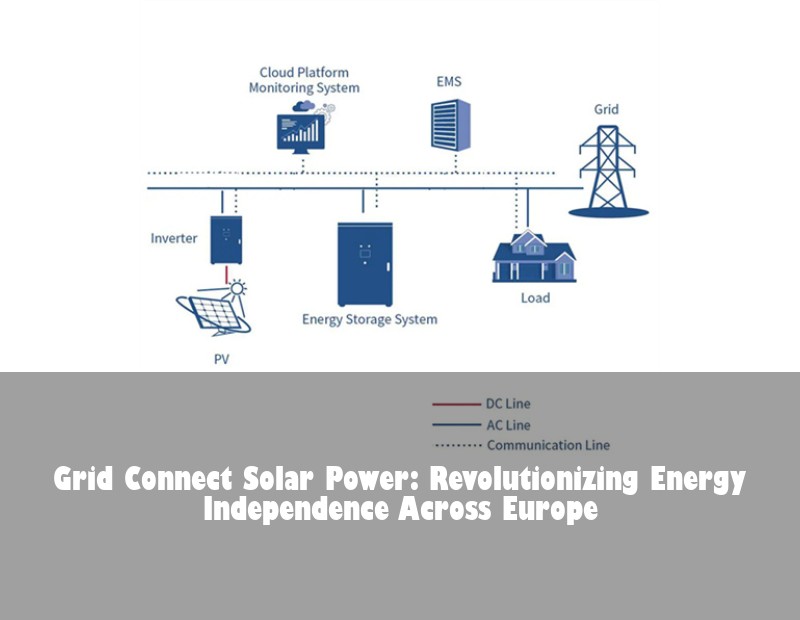
Table of Contents
Have you noticed your electricity bills climbing while worrying about carbon footprints? You're not alone. Across Europe, homeowners and businesses are turning to grid connect solar power as a transformative solution. This technology seamlessly integrates solar panels with existing utility grids, creating a dynamic energy ecosystem that reduces costs while boosting sustainability. Let's explore how this innovation is reshaping Europe's energy landscape.
The Rising Energy Challenge in Europe
Soaring Energy Prices and Environmental Concerns
Picture opening your energy bill to find costs have doubled since 2020. That's the reality for millions after Europe's energy crisis, where wholesale electricity prices peaked at €400/MWh in 2022. Meanwhile, the EU's binding target of 55% CO₂ reduction by 2030 looms large. How can households reconcile affordability with environmental responsibility?
The Grid Stability Dilemma
Conventional grids struggle with renewable integration. Remember the 2021 Texas blackouts? Europe faces similar vulnerabilities. Our aging infrastructure needs intelligent solutions that can handle solar's intermittent nature without compromising reliability.
Grid Connect Solar Power: A Data-Backed Solution
Solar Adoption Trends in Europe
2023 witnessed explosive growth:
- EU installed 56 GW of new solar capacity - equivalent to powering 16 million homes
- Residential installations grew 36% year-on-year
- Germany, Spain, and Poland led adoption with over 7 GW each
What's driving this surge? As SolarPower Europe's 2023 Market Outlook shows, payback periods have shrunk to 6-8 years thanks to improved panel efficiency and smart inverters.
How Grid-Connected Systems Work
Unlike off-grid setups, grid connect systems maintain a constant dialogue with utility networks. Here's the magic:
- Solar panels generate DC electricity during daylight
- Inverters convert DC to grid-compatible AC
- Excess energy flows back to the grid, spinning your meter backward
- At night or during low production, you draw grid power seamlessly
This bidirectional flow creates an energy safety net while maximizing self-consumption. As one Dutch homeowner told me: "My system covers 70% of annual needs, and I still have power during three weeks of winter fog."
Case Study: Germany's Solar Success Story
Policy Support and Market Growth
Germany's Energiewende (energy transition) transformed solar adoption. Through their Renewable Energy Act, they implemented:
- Feed-in tariffs guaranteeing above-market rates for solar exports
- VAT exemptions for residential solar installations
- Simplified permitting for systems under 30 kW
Real-World Impact: Numbers That Speak
Consider these results from Bavaria's 2022 rollout:
- Over 200,000 homes installed grid connect systems
- Average household reduced grid dependence by 62%
- CO₂ emissions dropped by 1.2 million tons annually
- Grid stability improved with local solar feeding 34% of peak summer demand
As Dr. Schmidt from Fraunhofer ISE notes: "Germany's grid integration proves solar isn't just supplemental - it's becoming our backbone during daylight hours."
Key Insights for Adopting Grid Connect Solar Systems
Financial Benefits and Incentives
Across Europe, incentives sweeten the deal:
- Italy's Superbonus 110% offers tax deductions covering full installation costs
- France guarantees feed-in tariffs for 20 years
- UK's Smart Export Guarantee pays for excess electricity
But here's what professionals often overlook: pairing solar with time-of-use tariffs can boost savings by 15-20%. When your system exports during peak pricing (3-8 PM), you effectively earn premium rates.
Technical Considerations for Optimal Performance
Through our field experience, we've identified three critical success factors:
- Inverter Sizing: Oversize by 120-130% to capture morning/evening light
- Monitoring Systems: Real-time apps detect underperformance immediately
- Grid Compatibility: Ensure your inverter has voltage/frequency ride-through capabilities
Remember that Spanish bakery that tripled their ROI? They achieved it by aligning production schedules with solar generation peaks.
Future Trends in Grid-Connected Solar
Innovations in Storage and Smart Grid Integration
Emerging technologies are solving solar's intermittency challenge. Virtual power plants (VPPs) - like those piloted in Denmark - aggregate thousands of home systems into dispatchable grid assets. Meanwhile, new hybrid inverters seamlessly integrate batteries without additional hardware.
Community Solar Projects: A Collective Approach
Can't install panels? Community solar is gaining traction. The Netherlands' Zonnedelen model allows apartment dwellers to buy "solar shares" in nearby farms. Participants receive bill credits proportional to their investment - democratizing solar access.
What energy transformation could your business achieve with grid connect solar power? Explore our interactive savings calculator to visualize your potential ROI, or share your biggest solar adoption hurdle in the comments below!
 Inquiry
 Online Chat