


5 Innovative Ways to Store Electricity for a Sustainable Future
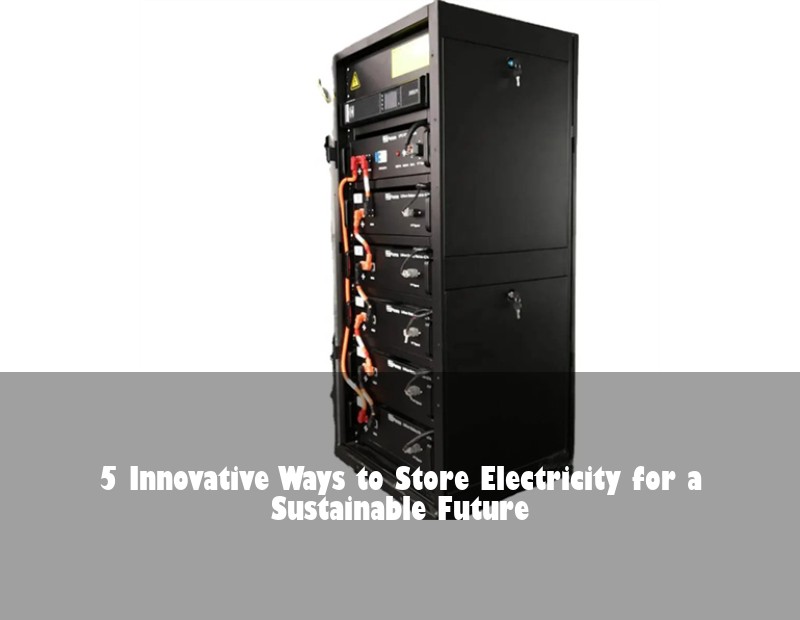
Table of Contents
Why Electricity Storage Matters Now
It's a windy night in Scotland, and turbines are generating surplus power while households sleep. Without effective ways to store electricity, this clean energy vanishes into thin air. Across Europe, renewable energy capacity grew by 10.3% in 2022, yet grid limitations cause curtailment of 6-8% of renewable generation annually. This isn't just an engineering challenge—it's a €2.1 billion opportunity lost. As solar and wind penetration increases, storage transforms from luxury to necessity, acting as the "shock absorber" for grids transitioning away from fossil fuels.
Electrochemical Storage: The Power of Batteries
When most people think of ways to store electricity, lithium-ion batteries spring to mind—and for good reason. Their energy density has improved by 400% since 2010 while costs plummeted 89%. But beyond your smartphone, utility-scale installations like Solar Pro's GridMax systems now provide frequency regulation for entire cities. Consider:
- Lithium-ion: 90-95% efficiency, ideal for daily cycling
- Flow batteries: Unlimited cycle life using liquid electrolytes
- Sodium-sulfur: High-temperature options for industrial applications
In Spain, a 3MW/9MWh battery installation reduced grid stabilization costs by 40%, proving that electrochemical solutions are more than backup—they're grid architects.
Mechanical Storage: Harnessing Motion
Sometimes the oldest tricks are the best. Mechanical storage converts electricity into kinetic energy—think of it as a "water battery" for the grid. Pumped hydro accounts for 94% of global storage capacity, but innovations are emerging:
Gravity Storage
Swiss startup Energy Vault stacks concrete blocks with cranes, achieving 80% round-trip efficiency—no mountains required.
Compressed Air (CAES)
Germany's Huntorf plant has stored air in salt caverns since 1978, now achieving 70% efficiency with modern heat recovery.
These solutions shine for long-duration storage, with projects like Norway's hydro reservoirs providing weeks of backup power.
Thermal Storage: Capturing Heat
Why store electrons when you can store heat? Thermal systems convert electricity into temperature differentials, achieving remarkable economies:
- Molten salt: Stores solar heat at 565°C for 10+ hours (used in 78% of CSP plants)
- Phase-change materials: Compact systems for commercial buildings
- Ice storage: Freezes water at night for daytime cooling
In Denmark's district heating networks, excess wind power heats water in giant insulated tanks, supplying 65% of Copenhagen's winter heat demand. The efficiency? A stunning 98%.
Chemical Storage: Fuels of the Future
For seasonal storage or heavy transport, chemical methods unlock game-changing potential:
Green Hydrogen
Electrolysers convert surplus renewables into H₂, with European projects like HyDeal aiming for €1.5/kg by 2030.
Power-to-X
Germany's KEROSyN100 project synthesizes jet fuel from seawater and wind—proving storage can decarbonize aviation.
While efficiency hovers around 50-60%, these technologies solve the "inter-seasonal gap" that batteries can't address alone.
Case Study: Germany's Speicherstadt Project
Let's examine a real-world application. In 2023, Hamburg deployed Europe's largest urban storage complex, combining three ways to store electricity:
- Scale: 720MWh capacity across 12 sites
- Technology mix: Lithium-ion batteries + flywheels + thermal storage
- Results: Reduced grid congestion by 92% while saving €18 million annually
What makes Speicherstadt revolutionary? Its AI-driven VPP platform dynamically switches between storage methods based on weather forecasts and electricity prices. During a February 2024 cold snap, the system shifted 58% load to thermal storage within 15 minutes—preventing blackouts without fossil backups. This isn't just storage; it's urban resilience redefined.
Choosing Your Storage Solution
Selecting optimal ways to store electricity requires asking:
- Do you need seconds (frequency regulation) or months (seasonal shifting)?
- Is space constrained (urban sites) or abundant (rural areas)?
- What's your budget per stored kWh over 20 years?
For solar farms, we recommend hybrid approaches—like pairing batteries for daily cycling with hydrogen for winter reserves. As regulations evolve (see the EU's Energy Storage Strategy), flexibility becomes your greatest asset.
Which storage combination would best future-proof your energy infrastructure against next winter's price spikes?
 Inquiry
 Online Chat