


Solar Battery Investment: Your Key to Energy Independence in Europe
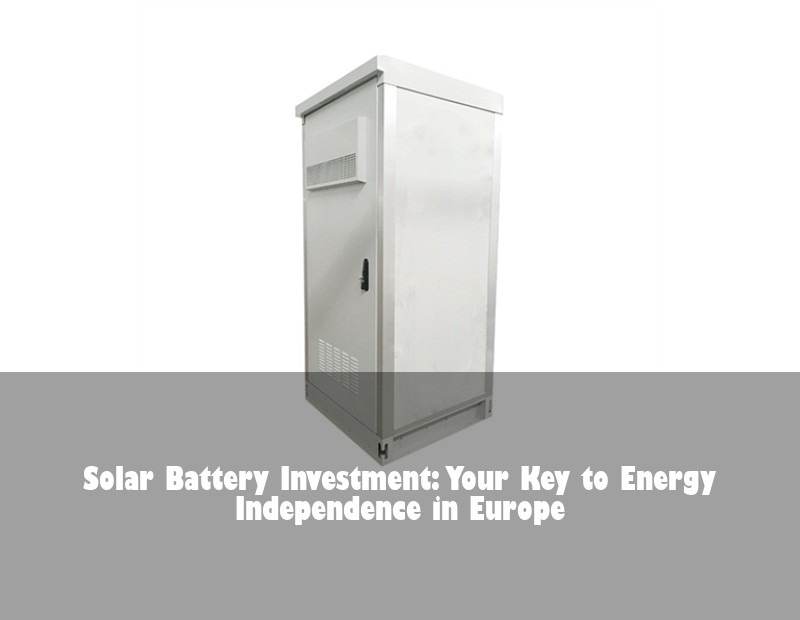
Table of Contents
The European Energy Crisis: More Than Rising Bills
You've installed solar panels, expecting lower bills. Yet when winter arrives, you're still hostage to grid prices. Across Europe, homeowners face a harsh reality - electricity prices surged by 69% in Germany and 54% in France between 2021-2023 (source: Eurostat). But the pain isn't just financial. Grid instability causes 150+ hours of annual outages in rural Italy (source: Terna), while UK households suffered 40% more blackouts in 2022 than 2018. This volatility transforms solar battery investment from luxury to necessity.
The Solar Power Gap: Why Panels Aren't Enough
Solar panels generate maximum power at noon - precisely when most households consume least. Without storage, up to 60% of this energy gets exported to the grid at low feed-in tariffs. Come evening peak hours (4PM-8PM), you're buying back expensive grid electricity. This mismatch creates what energy experts call "the solar curve paradox."
The Financial Drain
Consider these European averages:
- Feed-in tariffs: €0.08-0.12/kWh
- Grid purchase rates: €0.30-0.45/kWh
- Peak/off-peak price differentials: up to 300%
Every kWh exported then reimported represents a 70%+ financial loss. That's where solar batteries transform the equation.
Solar Batteries: Bridging the Energy Divide
Modern lithium-ion systems like Tesla Powerwall or Sonnen ECO store surplus solar energy for nighttime use, acting as personal energy reservoirs. During grid failures, they automatically power critical loads for hours or days. The magic? Batteries turn solar installations into 24/7 power plants.
Triple-Layer Value Proposition
- Self-Consumption Boost: Increase solar usage from 30% to 70%+
- Peak Shaving: Avoid premium grid rates during high-demand windows
- Grid Services (emerging): Earn credits for stabilizing local networks
Real ROI: A Hamburg Household Case Study
The Müller family's 2022 installation demonstrates solar battery investment math:
- System: 9.8kW solar + 13.5kWh battery
- Investment: €21,500 (after KfW subsidy)
- Results:
- Annual savings: €2,160 (vs. grid-only)
- Self-sufficiency: 83% year-round
- ROI period: 8.2 years (source: Fraunhofer ISE)
Notably, during December 2022's energy crunch, they avoided €412 in peak pricing - proving batteries deliver maximum value when markets are most volatile.
Maximizing Your Solar Battery Investment
Not all storage solutions are equal. Follow these professional guidelines:
Capacity Calculation Formula
Optimal battery size = (Daily consumption - Solar daytime coverage) × Backup days needed
Example: 15kWh night usage - 5kWh daytime solar = 10kWh × 2 days backup = 20kWh system
Technology Comparison
- Lithium Iron Phosphate (LFP): 6,000+ cycles, 10-15 year lifespan (ideal for daily cycling)
- NMC: Higher energy density but shorter lifespan
- Emerging: Solid-state batteries promise 50% more capacity by 2027
Where Home Energy Storage Is Heading Next
European regulations now enable "virtual power plants" - aggregated home batteries providing grid services. In the UK's Octopus Energy trial, participants earned £230/year by allowing grid access during shortages. Meanwhile, bidirectional EV charging (V2H) will let electric cars power homes during outages. The future? Your battery becomes an income-generating asset.
The Policy Advantage
Governments are accelerating adoption:
- Italy's 110% "Superbonus" tax credit
- Spain's €1.32 billion residential storage subsidies
- EU-wide VAT reductions on battery systems
What Energy Independence Milestone Will You Reach This Year?
Will your next power bill show another frustrating grid dependency charge, or will it reflect your smart solar battery investment paying dividends? How much could you save during the next winter crisis?
 Inquiry
 Online Chat