


Unlocking Energy Resilience: The Power of Hybrid Solar and Wind Power Generation
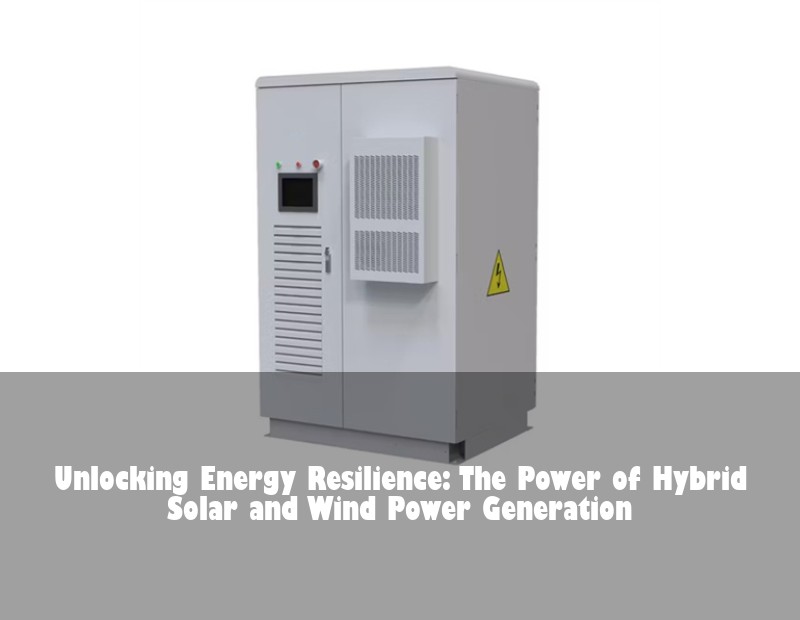
Table of Contents
The Renewable Energy Challenge
Imagine a windy winter night when solar panels sit idle, or a calm summer day when turbines stand still. This intermittency plagues standalone renewable systems across Europe. According to Ember's 2023 European Electricity Review, renewable curtailment costs EU consumers €1.2 billion annually due to supply-demand mismatches. But what if we could blend solar and wind generation into a single, resilient solution?
The Intermittency Problem
Traditional single-source systems face fundamental limitations:
- Solar generation peaks at midday but drops to zero at night
- Wind patterns vary seasonally and geographically
- Energy storage alone can't economically cover multi-day gaps
Solar-Wind Synergy: Nature's Perfect Pair
Hybrid solar and wind power generation leverages complementary generation patterns. Solar produces abundantly during high-pressure systems (clear skies), while wind dominates during low-pressure systems (cloudy/stormy conditions). This natural synergy creates a more stable energy curve.
By the Numbers: Complementary Generation
- Hybrid systems achieve 30-50% higher capacity utilization than standalone installations (IRENA, 2023)
- Seasonal complementarity reduces storage requirements by up to 40%
- Grid stability improves with 70% fewer power fluctuations
Case Study: Orkney Islands' Hybrid Triumph
Scotland's Orkney Islands demonstrate hybrid solar and wind power generation in action. This remote archipelago, a European Renewable Energy Testing Hub, faced grid constraints despite abundant resources.
Project Snapshot
- Configuration: 2MW wind + 1.2MW solar + 500kW/1MWh battery storage
- Results: 92% annual self-sufficiency (vs 68% wind-only)
- Economic Impact: 25% reduction in LCOE (Levelized Cost of Energy)
- Data Source: ORE Catapult Monitoring Report, 2022
During the 2022 energy crisis, Orkney's hybrid system maintained stable power prices while mainland Europe saw 300% spikes - proving hybrid systems' economic resilience.
How Hybrid Systems Actually Work
Modern hybrid systems integrate components through intelligent controllers that predict weather patterns 72 hours ahead using AI. Here's what makes them tick:
Core Components
- Smart Inverters: Convert and synchronize dual energy inputs
- Predictive Controller: Balances generation based on weather forecasts
- Dynamic Storage: Batteries charge during surplus periods
Installation Insights
We've found optimal configurations vary dramatically by location. Coastal regions benefit from 60:40 wind-solar ratios, while inland areas perform better with 40:60 splits. Always conduct microclimate analysis first!
The Future Landscape of Hybrid Power
Europe's hybrid solar and wind power generation capacity is projected to grow 800% by 2030 (WindEurope, 2023). Emerging innovations include:
Next-Generation Technologies
- Vertical bifacial solar panels integrated into turbine towers
- Blockchain-enabled peer-to-peer energy trading between hybrid systems
- AI-powered "virtual power plant" aggregation
Policy Drivers
The EU's REPowerEU plan now prioritizes hybrid projects for funding, with simplified permitting for co-located installations - a game-changer for project viability.
Your Energy Transition Journey
Considering that hybrid solar and wind power generation can reduce payback periods by 3-5 years compared to standalone systems, where will your first hybrid node be located? What energy resilience challenges could it solve for your community?
 Inquiry
 Online Chat