


Unlock Energy Freedom: The Hybrid Inverter and Battery Combo Revolution
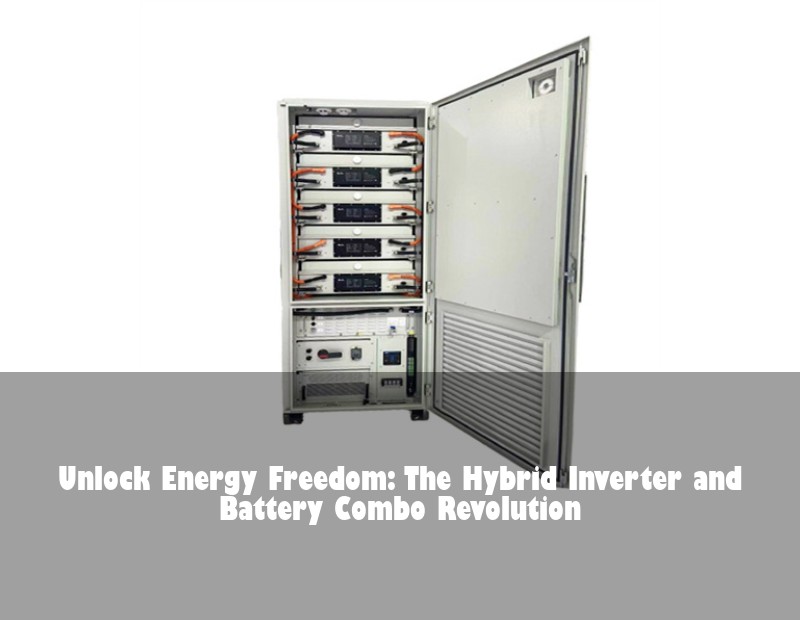
Table of Contents
- Europe's Energy Crisis: Why Homes Need Resilience
- Why Hybrid Inverter and Battery Combo Is the Smart Choice
- Real-World Impact: A German Family's Energy Transformation
- How Hybrid Systems Work: Sunlight to Socket
- Choosing Your Perfect Hybrid Combo: A Buyer's Checklist
- Where Home Energy Is Heading Next in Europe
It's a stormy evening in Munich, and grid power just failed—but your lights stay on, coffee brews, and your home hums with stored solar energy. This isn't magic; it's the modern hybrid inverter and battery combo at work. Across European homes, this technology is shifting how we consume energy—from passive users to empowered producers. Yet most homeowners don’t realize how profoundly these systems can transform their energy bills and carbon footprint. Let's explore why Europe's energy landscape is being rewritten by this dynamic duo.
Europe's Energy Challenge: The Perfect Storm
Between 2021-2023, European electricity prices surged by 54% on average, with German households seeing €0.43/kWh peaks—triple pre-crisis rates. Meanwhile, extreme weather caused 50% more grid outages in France last winter. You're not just paying more; you're vulnerable. The core issue? Traditional solar setups waste excess energy. On sunny days, your panels might generate 30% more than you need—all sent back to the grid for minimal compensation. At night? You buy back that same energy at premium rates. It's a lose-lose cycle trapping homeowners in dependency.
Why Hybrid Inverter and Battery Combo Is Europe's Energy Game-Changer
Enter the hybrid inverter and battery combo—a single unit that manages solar generation, battery storage, and grid interaction intelligently. Unlike basic inverters, hybrids do three critical things:
- Energy Arbitrage: Store midday solar surplus automatically, using AI to predict household consumption patterns
- Seamless Switching: Transition to battery power within 20ms during outages (faster than your lights flicker)
- Grid Interaction: Sell back energy strategically when rates peak, guided by real-time pricing data
As Marco, an Italian solar installer, told me: "Homes with hybrid systems achieve 80-90% self-consumption versus 30% for standard setups. That’s money staying in your pocket, not the utility's."
Real Proof: The Schmidt Family’s Energy Transformation
Consider the Schmidts near Hamburg: They installed a 8kW solar array with 10kWh hybrid inverter and battery combo (Growatt MODE + LG RESU). Before installation, their €1,200 annual electricity bill covered only 40% solar self-consumption. Post-installation:
- Energy bills dropped to €180/year (85% savings)
- Self-consumption jumped to 92%
- During a December blackout, their system powered essentials for 19 hours straight
Their ROI? Just 6.2 years—well below Germany’s average 8-year payback for solar-only systems. Why such efficiency? Hybrid systems leverage battery cycles optimally, extending lifespan to 15+ years while maximizing daily savings.
Tech Deep Dive: Sunlight to Socket in 3 Steps
Step 1: Intelligent Energy Routing
Hybrid inverters continuously monitor energy flows. When your panels produce excess, they divert power to batteries instead of exporting cheaply to the grid. Think of it as your personal energy traffic controller.
Step 2: Multi-Mode Flexibility
Modern combos like SolarEdge or Fronius Symo offer four operating modes:
- Self-Consumption: Prioritizes battery use before grid
- Backup: Maintains critical loads during outages
- Time-of-Use: Syncs charging/discharging with tariff peaks
- Grid Support: Injects voltage-stabilizing power during peak demand
Step 3: Battery Management Secrets
Lithium batteries thrive when kept at 20-80% charge. Hybrid systems use predictive algorithms to maintain this "sweet spot," extending battery life significantly. As noted in a 2023 Energy Storage study, proper management can reduce degradation by up to 60% versus basic setups.
Your Hybrid Combo Checklist: 5 Key Selection Factors
Not all hybrid systems are equal. When evaluating options, ask:
- Scalability: Can you add batteries later? (e.g., Tesla Powerwall supports stacking)
- Round-Trip Efficiency: Aim for >94%—less energy lost in storage cycles
- Smart Grid Integration: Does it support V2G (vehicle-to-grid) for future EV charging?
- Warranty Duration: Premium brands offer 10-year coverage (batteries + inverter)
- Software Ecosystem: Can you monitor/control via app? (Look for energy usage forecasting)
Pro Tip: In Spain/Italy, prioritize heat-resistant batteries; for Nordic regions, seek cold-weather performance certifications.
The Horizon: Where Home Energy Is Headed
By 2027, Europe's home energy storage capacity will hit 12.8 GWh—a 400% surge from 2022 (SolarPower Europe). What’s driving this? Two innovations converging with hybrid combos:
- AI Energy Forecasting: Systems like SMA Sunny Home Manager analyze weather/usage patterns to optimize charging cycles
- Blockchain Energy Trading: Projects like Power Ledger enable neighbors to sell excess solar peer-to-peer
The ultimate vision? Your hybrid system becomes an autonomous energy hub—generating, storing, and trading power while slashing bills. But here’s my question to you: If your home could start earning from its energy next month, what would you power first?
 Inquiry
 Online Chat