


Generating Electricity with a Wind Turbine: Powering a Sustainable Future
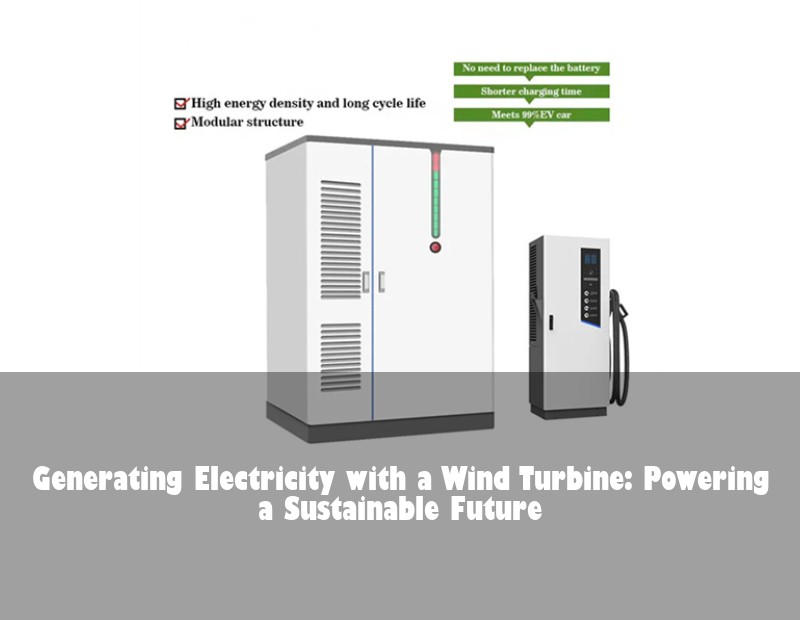
Table of Contents
The Unstoppable Rise of Wind Energy
Have you ever watched a wind turbine gracefully spin against a horizon and wondered about the journey from breeze to breaker box? Across Europe's rolling hills and coastal waters, generating electricity with wind turbines is transforming from niche alternative to mainstream power solution. In 2022 alone, wind supplied 17% of the EU's electricity – enough to power 200 million homes. This isn't just about harnessing nature; it's about mastering a technology that converts kinetic energy into kilowatt-hours with astonishing efficiency.
What's driving this surge? Three converging trends: turbine costs have plunged 40% since 2010, governments are accelerating renewable targets, and communities are demanding cleaner air. Yet as any engineer will tell you, capturing capricious winds requires more than just tall towers and spinning blades – it demands intelligent design and strategic integration.
Key Challenges in Wind Turbine Electricity Generation
While wind's potential seems limitless, practical electricity generation presents unique hurdles. Let's address the elephant in the room first:
Intermittency and Grid Stability
Wind doesn't punch a timecard, creating frustrating unpredictability. On still days, output can drop 70% below forecast, while stormy periods force turbines into protective shutdown. This volatility strains grid operators who must maintain precise 50Hz frequencies. The German Energy Agency reports balancing costs can add €8-12/MWh to wind energy during peak variability.
Site-Specific Efficiency Factors
Not all locations are created equal. Turbine performance depends on:
- Wind class (Class III sites need 56% larger rotors than Class I)
- Turbulence intensity from nearby structures
- Air density variations at altitude
As one Scottish farm operator lamented, "Our hillside location created such complex airflow that first-year production was 22% below projections." These aren't dealbreakers – just design parameters requiring expert navigation.
Engineering Solutions for Optimal Output
Thankfully, innovation is turning these challenges into opportunities. The modern wind turbine is now a data-driven powerhouse.
Smart Turbine Technology
Today's turbines are sleuths that analyze conditions in real-time. Siemens Gamesa's Digital Power Plant uses LIDAR to "see" wind 300 meters ahead, adjusting blade pitch milliseconds before gusts hit. This boosts annual energy production by 6-9% while reducing structural stress. The secret sauce? Edge computing processors that make 1,000+ micro-adjustments per minute.
Hybrid Systems: Wind + Storage
Pairing turbines with batteries creates renewable baseload power. Consider this:
- 4-hour storage captures 93% of potential revenue from price arbitrage
- Lithium-ion costs have fallen 89% since 2010
- Predictive algorithms now optimize charge/discharge cycles
As E.ON's Hamburg project demonstrated, this combination delivers grid services previously reserved for fossil plants – all while reducing curtailment losses.
Real-World Success: Denmark's Anholt Offshore Wind Project
Numbers talk louder than theory. Let's examine Denmark's Anholt Offshore Wind Farm – a beacon for Northern Europe:
- 111 Siemens turbines standing 256m tall (almost Eiffel Tower height)
- 400MW capacity supplying 4% of Denmark's electricity
- Capacity factor: 49.7% (vs. 35-40% onshore average)
How did they achieve this? Strategic placement in shallow waters (<30m depth) with consistent 10.2m/s winds. The project's innovative monopile foundations reduced installation costs by 18% versus traditional designs. Since 2013, Anholt has saved 1.1 million tons of CO₂ annually – equivalent to taking 500,000 cars off roads. This success reflects Denmark's national commitment, with wind now providing 47% of its electricity.
Future-Proofing Your Energy Strategy
We're entering wind energy's golden age. Floating offshore turbines will unlock deep-water sites, while AI-driven predictive maintenance slashes operational costs. But perhaps the biggest shift is psychological – communities no longer ask "Can wind work?" but "How soon can we benefit?"
What surprises me most? How quickly wind transitions from technical project to point of local pride. Visit Cornwall or Galicia and you'll see turbine viewing platforms beside historic castles. This cultural embrace matters because, as one Norwegian farmer-turned-energy-producer told me, "When people see these graceful giants powering schools and hospitals, resistance melts away."
So here's my question for you: Which untapped wind resource in your region could become your community's next economic engine?
 Inquiry
 Online Chat