


Optimizing BOS Components in PV Systems for Enhanced Performance and Reliability
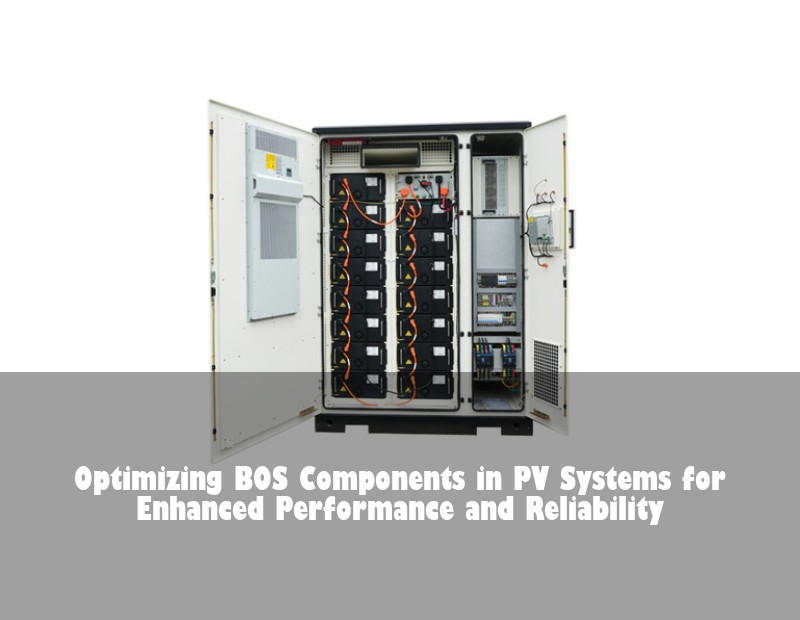
Table of Contents
The Unsung Heroes of Solar Energy
When we discuss photovoltaic (PV) systems, solar panels naturally steal the spotlight. But what about the critical backbone enabling their performance? Enter BOS components in PV systems – the Balance of System elements including inverters, mounting structures, wiring, and monitoring systems. These unsung heroes determine up to 30% of your project's lifetime efficiency, yet they're frequently undervalued in initial planning. Across European markets like Germany and Spain, we're seeing a paradigm shift where BOS optimization is becoming the secret weapon for ROI-driven solar investments.
Hidden Challenges in BOS Component Selection
Why do even seasoned developers underestimate BOS components? The complexity lies in their interdependency:
- The "Inverter Gap": Mismatched capacity ratios causing clipping losses
- Structural Stress Points: Corrosion in coastal installations reducing system lifespan
- Monitoring Blind Spots: Lack of granular data masking performance issues
I recently consulted on a Belgian rooftop project where subpar wiring caused 11% energy loss – a preventable $8,200/year revenue leakage. This isn't just about components; it's about systemic harmony.
The Real Cost of Overlooking BOS: Data Insights
Let's confront the numbers. According to IRENA's 2023 report, BOS represents 18-35% of total PV system costs. But here's what most miss:
- Advanced monitoring systems can boost yield by 7% through proactive maintenance
- Smart combiners reduce fire risks by 40% in high-density installations
- Dynamic mounting solutions extend system life by 3-5 years in extreme climates
The European Photovoltaic Industry Association notes that optimized BOS configurations can achieve LCOE reductions of up to 9.2% – a game-changer for project bankability.
Case Study: Spanish Solar Farm Turnaround
Consider the 12MW La Mancha solar plant in Spain's harsh climate. Initial performance trailed projections by 15% due to:
- Standard string inverters overheating (45°C+ ambient temperatures)
- Galvanic corrosion in mounting structures
- Centralized monitoring missing string-level anomalies
The solution? A BOS overhaul featuring:
- Climate-optimized inverters with liquid cooling
- Aluminum-zinc alloy mounting systems
- Module-level power electronics (MLPE)
Results? First-year generation increased by 22%, with a 14-month ROI on BOS upgrades. This mirrors findings from NREL's BOS benchmark study showing smart component pairing can mitigate extreme weather impacts.
Future-Proofing Your PV System: Expert BOS Strategies
Smart Inverter Integration
Modern inverters aren't just converters – they're grid guardians. For German feed-in tariff optimization, consider:
- Reactive power control for grid stability compliance
- Cybersecurity protocols meeting BDEW standards
- Topology-aware string sizing to minimize mismatch losses
Dynamic Mounting Solutions
Norwegian floating solar projects demonstrate how context matters:
- Wind-load optimized designs for North Sea installations
- Single-axis trackers increasing yield by 27% in low-light Nordic winters
- Corrosion-resistant coatings for offshore applications
As this Renewable Energy study confirms, adaptive mounting can reduce LCOE by €2.1/MWh in challenging terrains.
Emerging BOS Technologies in Europe
The BOS revolution is accelerating:
- Plug-and-Play Wiring: Reducing installation time by 30% (Dutch pilot projects)
- AI-Powered Monitoring: Predictive failure alerts cutting O&M costs by 18%
- Hybrid Storage Integration: DC-coupled architectures minimizing conversion losses
Italy's new grid codes now mandate advanced BOS functionalities – a regulatory trend sweeping across EU markets.
Your Next Strategic Move
We've explored how BOS components transform PV systems from energy producers to intelligent assets. But here's my challenge to you: Which BOS innovation could unlock your next project's hidden potential? Perhaps it's time to rethink that "standard" component specification sheet. What performance gap might you be overlooking right now?
 Inquiry
 Online Chat